Case study
~€60 million
~400 vehicles (buses)
~600
Challenge
The transition posed multiple challenges. The new devices had to integrate seamlessly with the existing RS485 cabling and connectors, avoiding costly rewiring. The legacy system relied on a maintenance panel that had proven fragile and time-consuming to manage, and the operator was determined to adopt a simpler, maintenance-free design. Another critical requirement was communication protocol compatibility: the fleet operated with a customized protocol derived from VDV300, meaning the new generation units had to support this legacy standard. Finally, although the latest version of DynaPCN 10-30 required little customization, rare but essential maintenance tasks still needed to be accessible without introducing additional certification burdens.
Solution
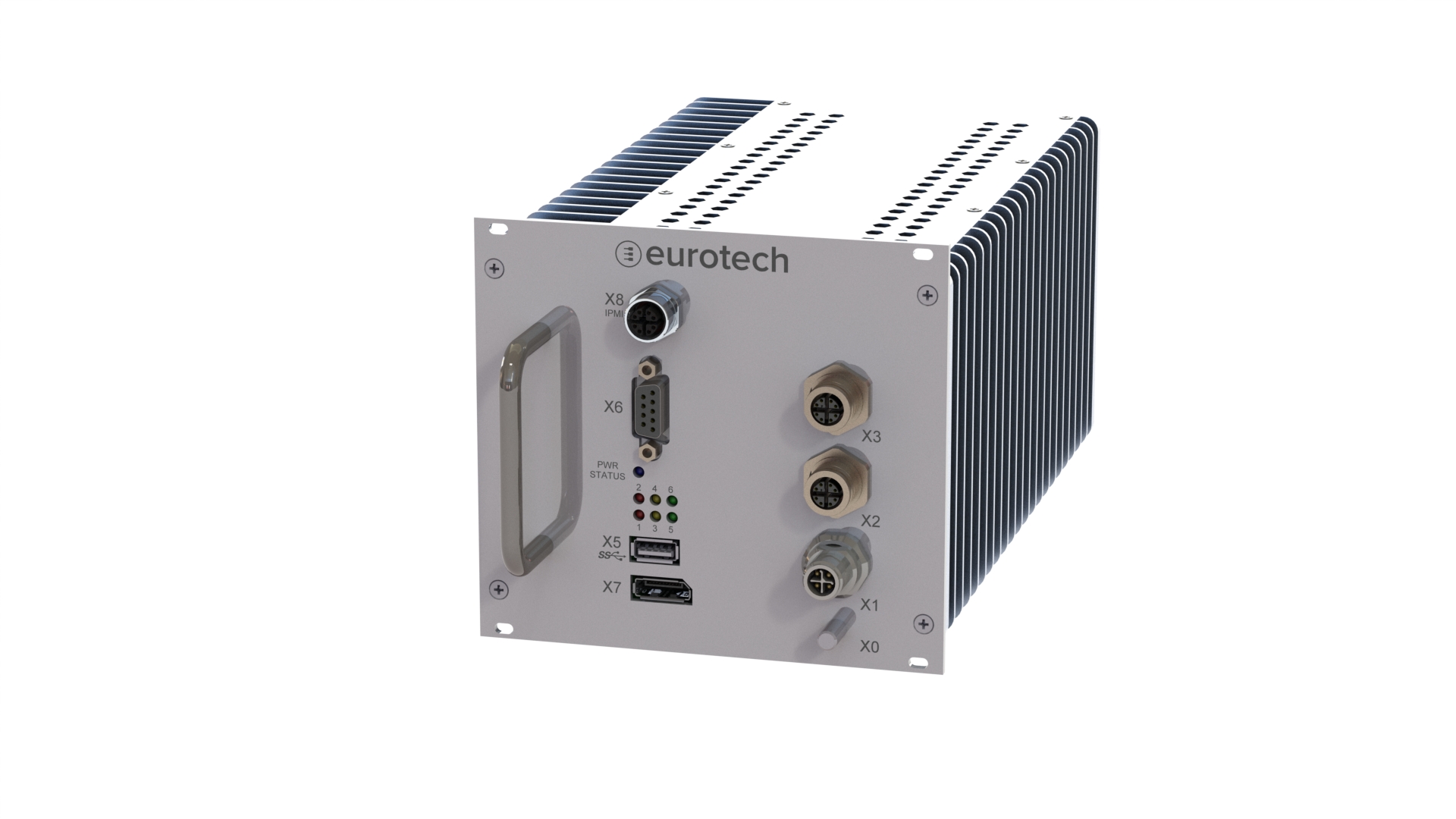
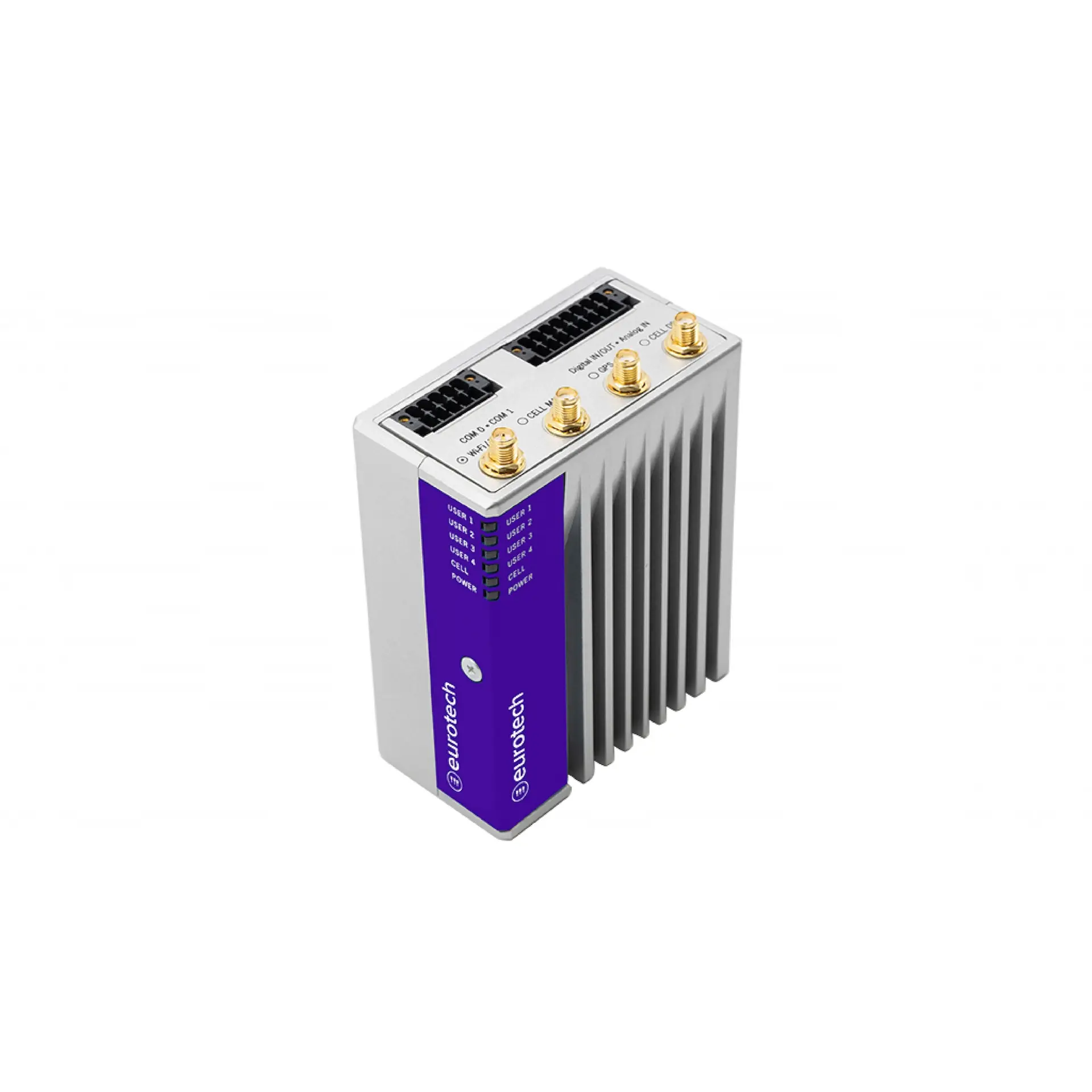
Eurotech developed an integration strategy that combined technical continuity with innovation. New custom cables and connector boxes were engineered to maintain compatibility with the current wiring, while ensuring future flexibility. At the software level, the legacy communication protocol was implemented in DynaPCN 10-30, guaranteeing full interoperability with the fleet’s existing control systems.
To simplify maintenance, the vulnerable panels of the previous design were removed. Instead, Eurotech provided access through Ethernet, allowing technicians to intervene, when necessary, without disrupting regular operations. A proof of concept was carried out in real conditions to validate the different options, focusing particularly on maintenance workflows and operator usability.
Results