Case study
~€3,600 million
electricity transmission system operator
~6,400
Challenge
Monitoring remote power assets requires dependable data acquisition and communication where grid power is unavailable. Devices must operate continuously while minimizing both average and peak power draw to remain within tight energy budgets.
The system also needed to adapt to different roles in the monitoring architecture, functioning as either a central hub or a field node, without compromising reliability or increasing deployment complexity.
Solution
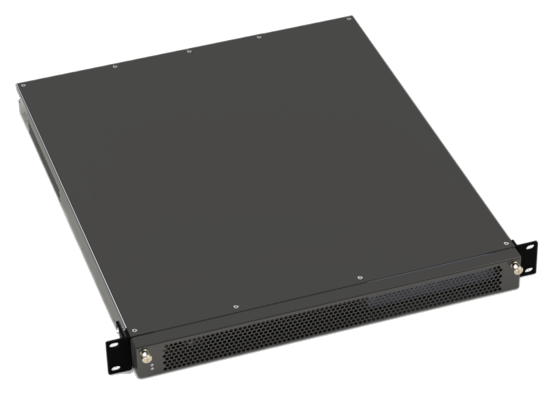
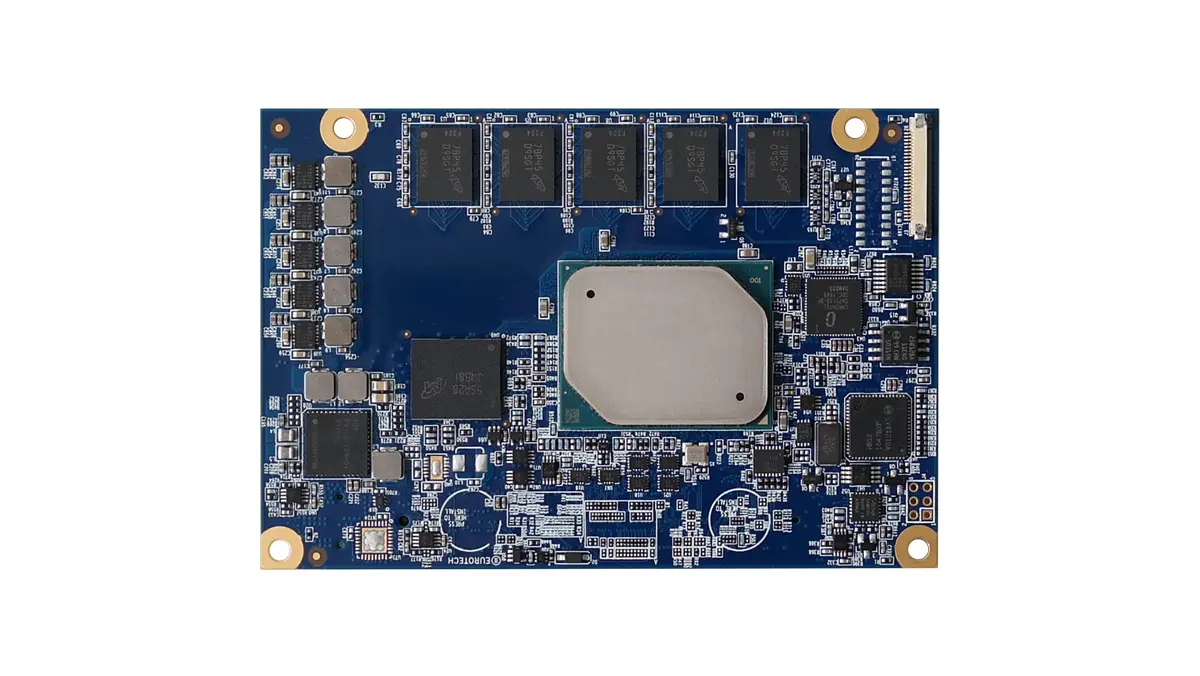
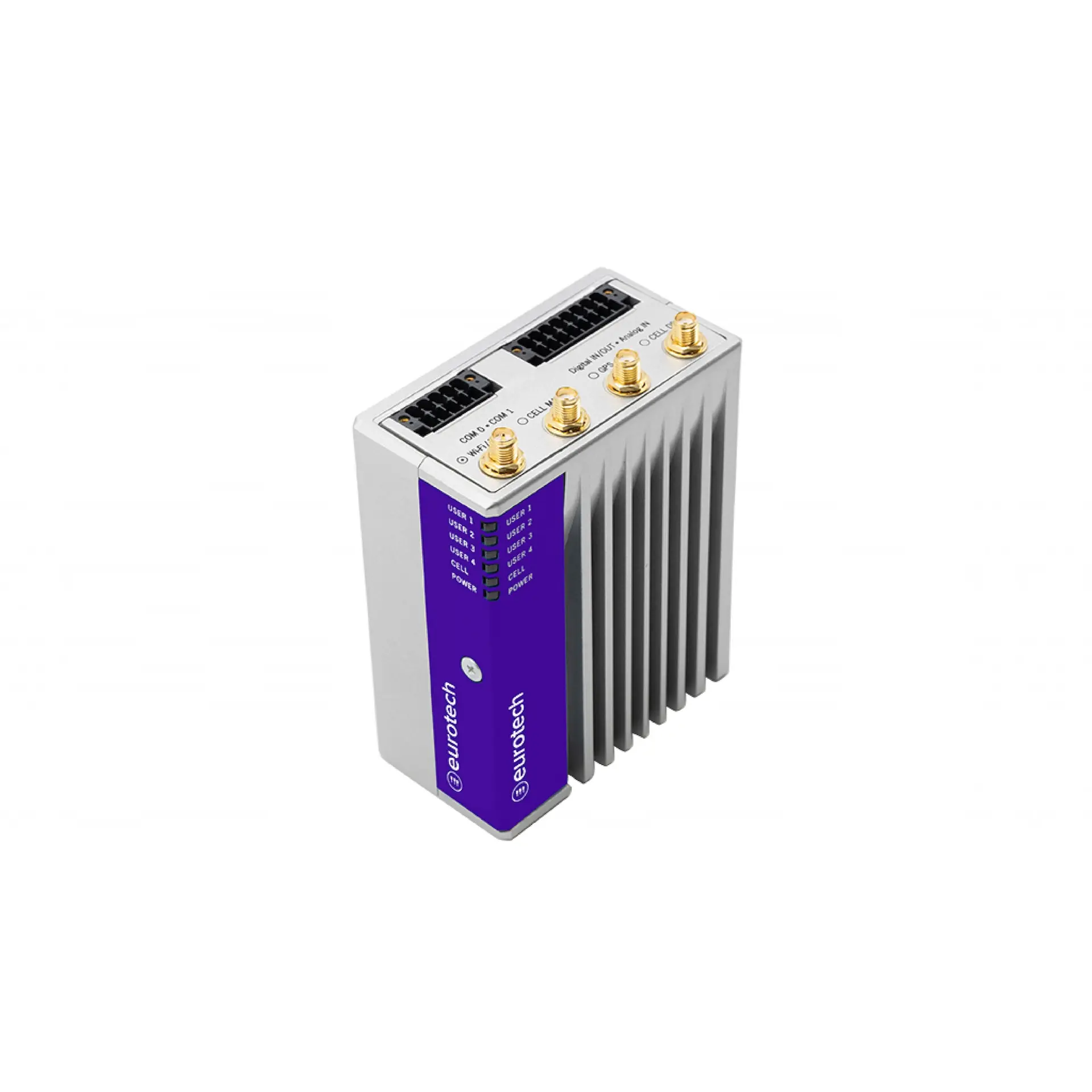
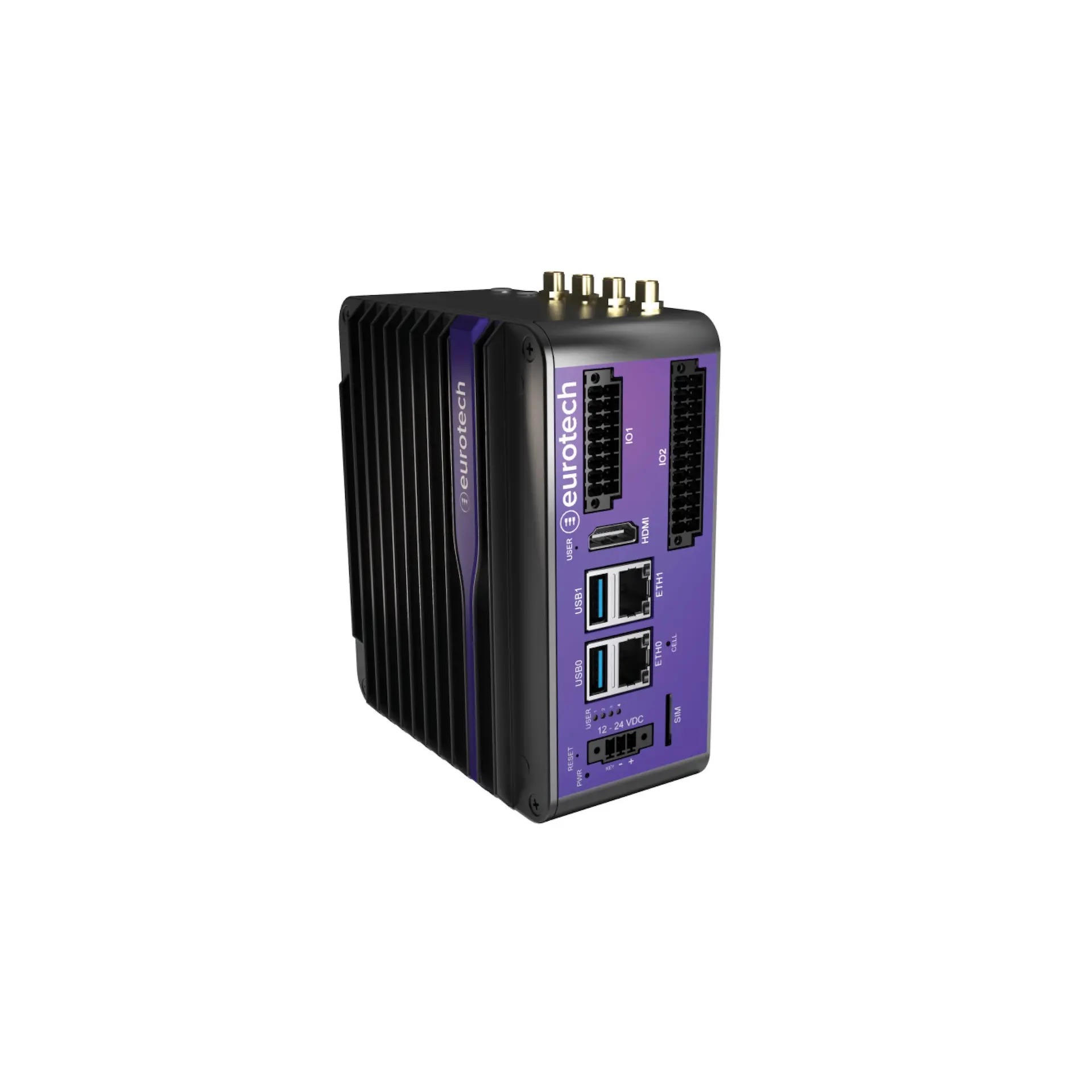
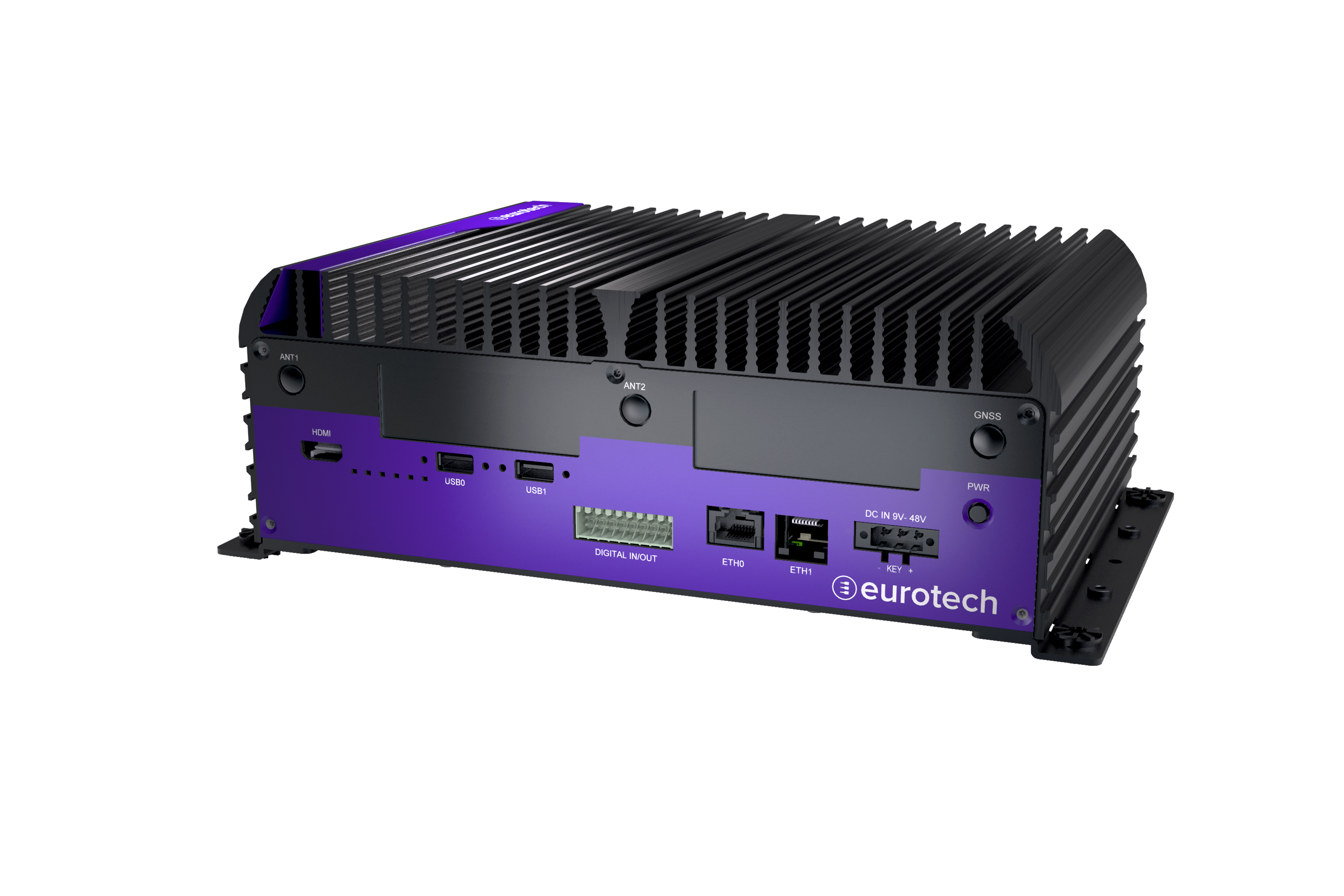
Eurotech addressed the customer’s need for flexibility and cost efficiency with the ReliaGATE 15A-14, a rugged, low-power industrial IoT gateway designed for autonomous operation and rapid deployment.
A single hardware platform can function as either a gateway (master) or a node (slave), depending on software configuration. This dual-role capability eliminated the need for separate hardware versions, cutting inventory complexity and field maintenance costs. Device roles can be switched remotely, avoiding costly on-site interventions—an essential advantage in power grid environments, where fieldwork is resource- and safety-intensive.
In gateway mode, the ReliaGATE 15A-14 collects data from field sensors via Modbus RTU, receives LoRa packets from distributed nodes, and forwards aggregated data to the control center through Ethernet with LTE redundancy. Intelligent power management keeps only essential interfaces active, reducing consumption by disabling peripherals like GPS and Radios when unnecessary.
In node mode, it gathers local measurements and transmits them to the gateway via LoRa, spending most of its time in an ultra-low-power sleep state to enable long-term, autonomous operation even on battery or solar power.
Both configurations leverage Everyware Linux (EL) and the Everyware Software Framework (ESF), combining efficient edge processing, Modbus management, and secure cloud integration. ESF’s modular architecture allows easy extension with protocol drivers and connectors, speeding integration and deployment.
Through this unified hardware and software approach, the customer achieved greater deployment flexibility, reduced operational costs, and simplified lifecycle management across distributed infrastructure.
implementation and testing
Two production units of the ReliaGATE 15A-14 were tested under real-world conditions: one configured as a gateway and one as a node. Energy consumption was measured during all operational phases, including cold boot, active collection, and transmission.
The gateway operated primarily in data acquisition mode for roughly twenty-two hours per day, transmitting through Ethernet or LTE during brief intervals. The node spent about ninety percent of its cycle in sleep mode, waking only to perform scheduled measurements and data transfer. This test profile accurately reflected expected field conditions.
Results
Testing demonstrated the ReliaGATE 15A-14’s ability to operate at very low power levels even with multiple connectivity interfaces active, proving its suitability for battery- and solar-powered installations. The tests also confirmed its software-driven role flexibility, allowing seamless switching between gateway and node modes directly in the field.
Performance results
-
Gateway mode: 3.2 W average, 8.4 W peak
-
Node mode: 1.2 W average, 8.4 W peak
These outcomes validated continuous monitoring and communication within tight energy budgets. Following testing, over 1,000 units were deployed, confirming the solution’s scalability and reliability.
Combining energy efficiency, flexibility, and robustness, the ReliaGATE 15A-14 reduces hardware variants, simplifies deployment, and minimizes maintenance. Its intelligent power management and modular software stack enable autonomous, secure, and sustainable IIoT operations across distributed infrastructures.