Case study
Developing a rugged embedded mission computer for autonomous flight operations in a next-generation rotary-wing UAS involves addressing a convergence of demanding technical and regulatory constraints.
Challenges
Different challenges have been faced during the requirements and design phase:
- System performances under SWaP constrains;
- High reliability: the mission computer should control sensors and actuators of the Unmanned Helicopter and prevent wrong actions in case of system failures;
- Certification complexity: due to the shock, vibration, temperature constrains, the design and manufacturing require proven expertise;
- Legacy Interface capabilities of the system along with future-proof capabilities;
- Long-term product availability;
- Real-time operations: ability to run Real Time Operating Systems (RTOS);
- MIL standard compliance.
Solution
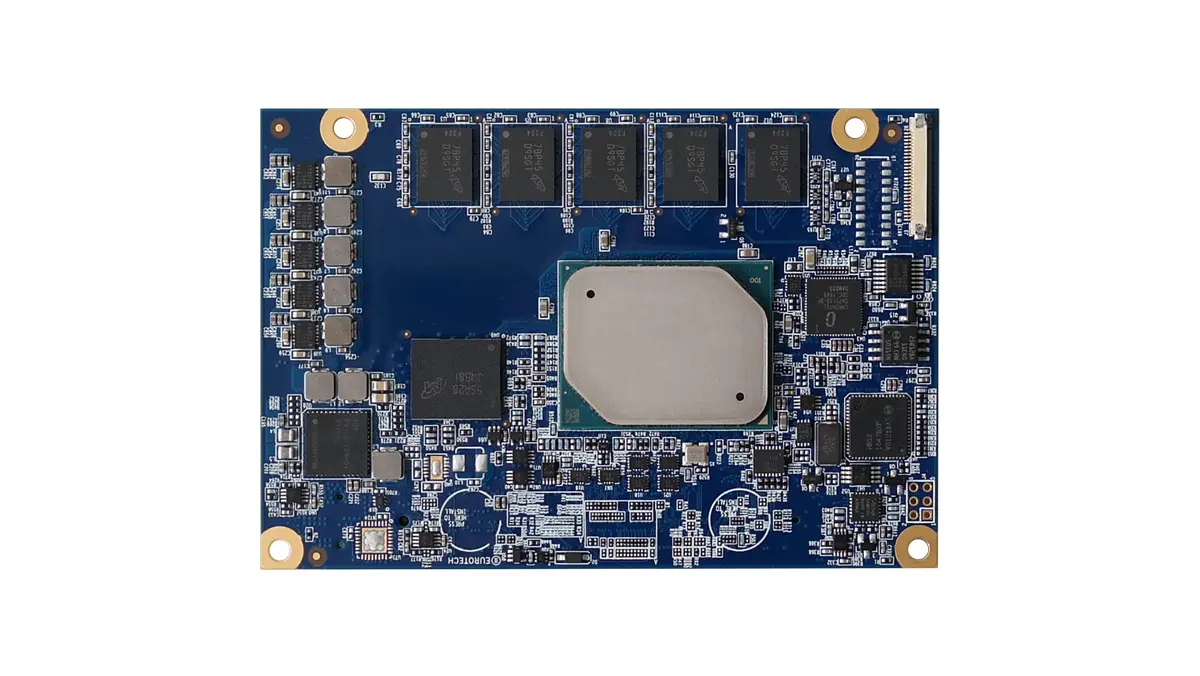
Thanks to our expertise in COTS systems, it was possible to design the system according to the customer’s needs, to certify it according to the required MIL standards, and deliver a powerful, long-term supported system.
All this by maintaining design, supply chain control, and assembly within the company, resulting in a further advantage to the customer in terms of reliability and sovereignty.
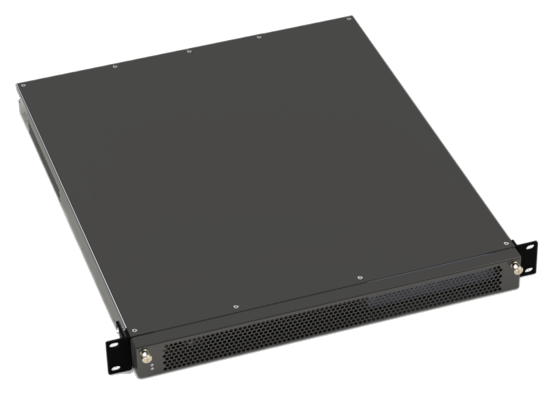
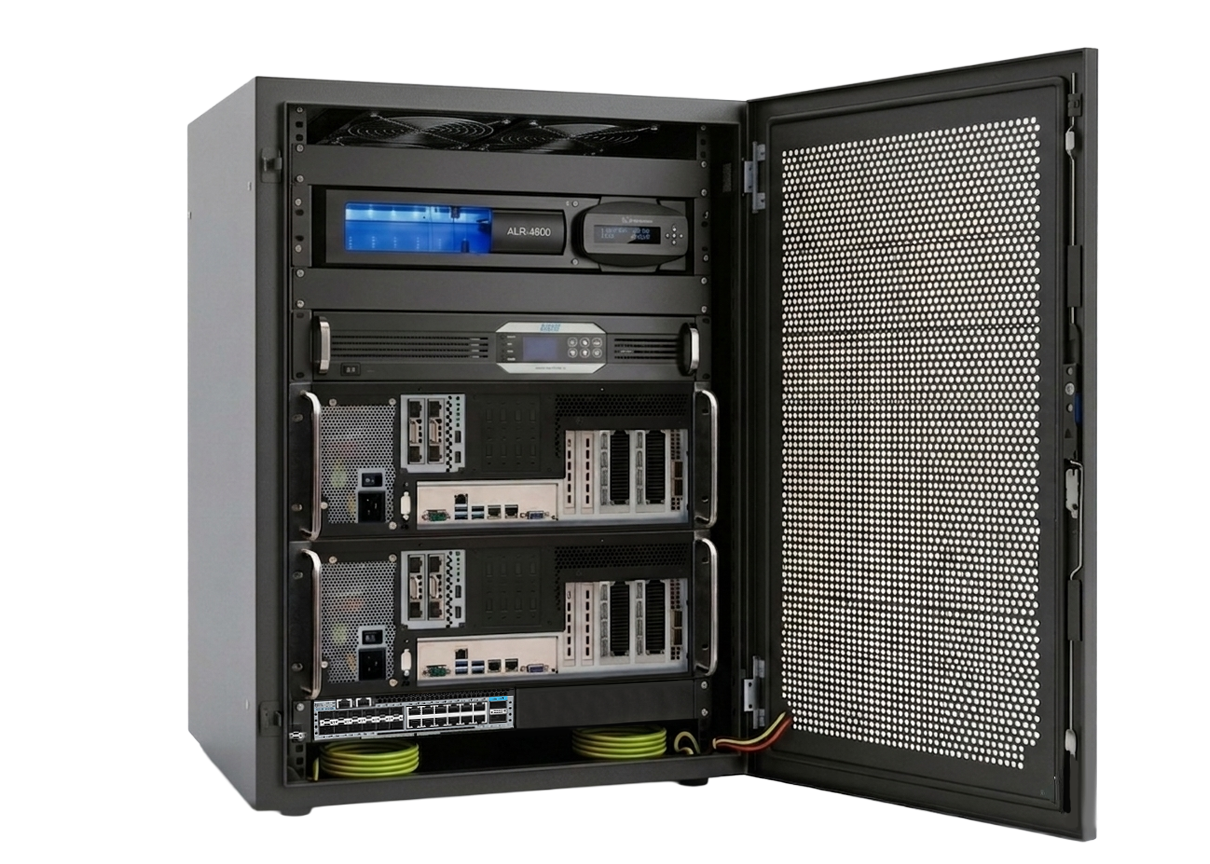
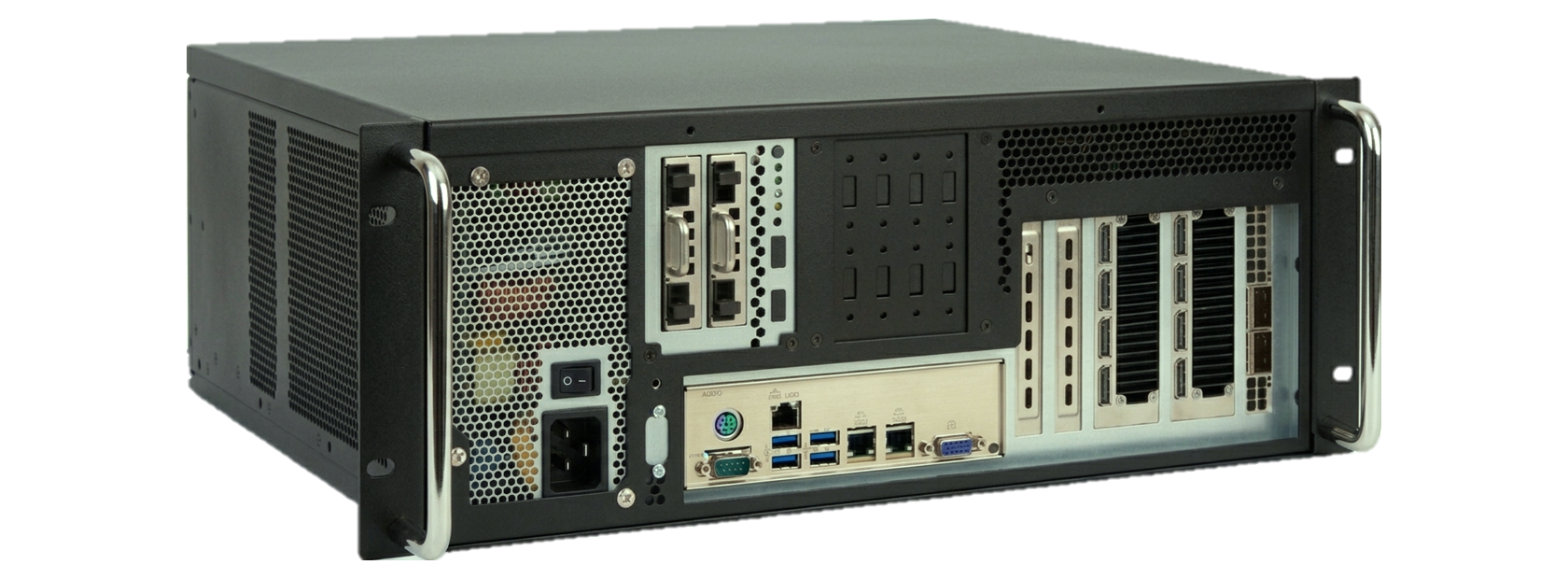
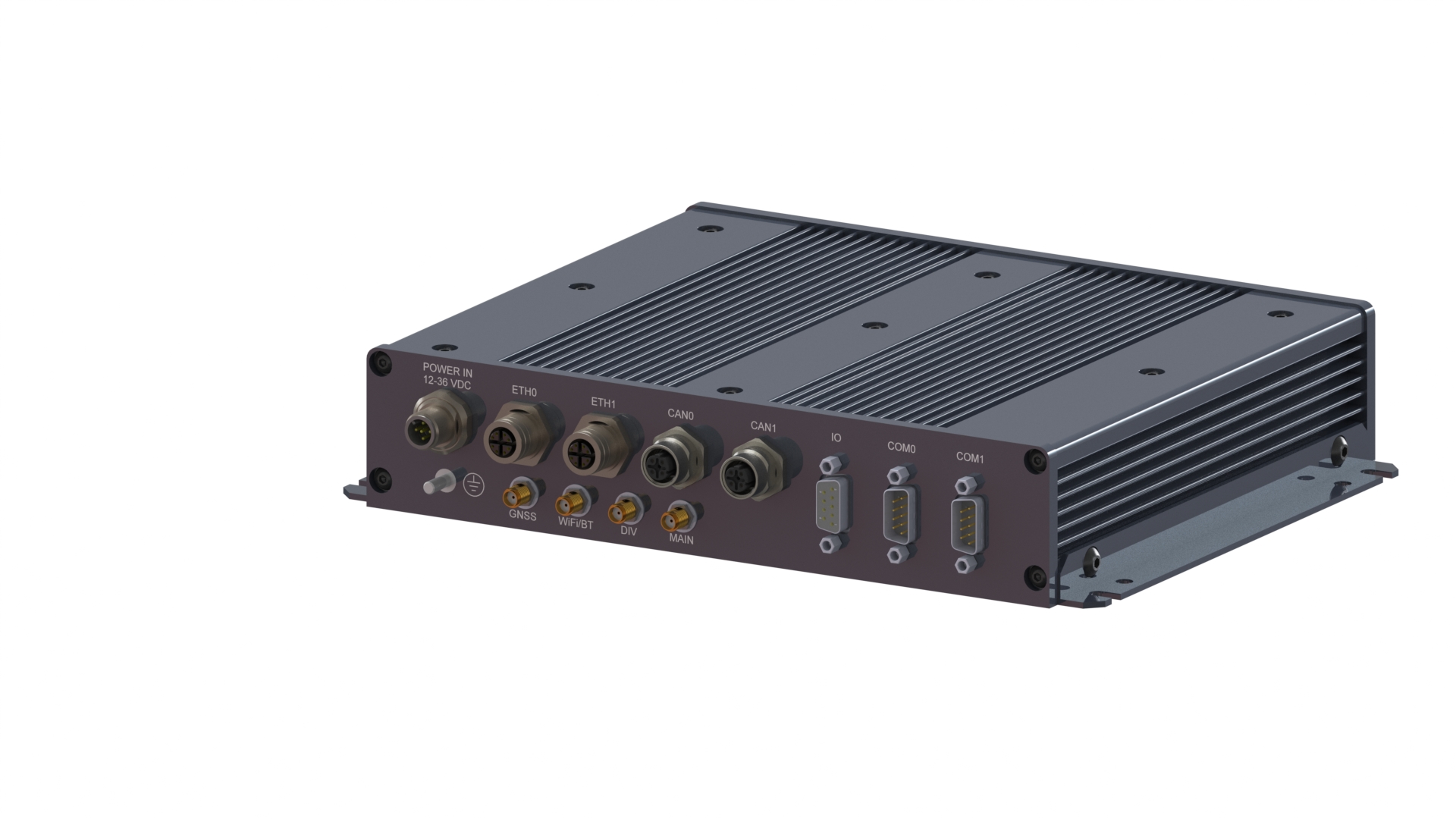
The Mission computer architecture provides triple redundancy for maximum reliability: sensors and actuators are connected to the mission computer, that provides the proper interfaces. RTOS (Real time operating system) is pre-installed according to the customer specifications, addressing the time sensitive needs of controlling a flying vehicle.
Results
The mission computer was successfully delivered, and it is now in full production scaling. Thanks to it, the customer has already been able to deliver its UAS solution to the market.
Qualitative impact:
- Program risk reduction: the manufacturer’s provision of a complete certification evidence package eliminated the customer’s largest single schedule risk item;
- Platform longevity: long term product availability made the System consistent with the customer needs;
- Industrial sovereignty: full internal design, supply chain control, and manufacturing strengthen the trust of the customer.