Smarter spaces, smarter decisions:
How edge AI is reshaping our environments
real-time intelligence: the case for edge AI
Central to the rise of smart infrastructure is a shift from cloud-first to edge-optimized thinking.
The ability to run AI models directly on the Edge – on local gateways or embedded systems – dramatically reduces latency, enables sub-second decisions, and avoids the bottlenecks of cloud bandwidth.
For example:
- Retailers can monitor customer flows and optimize layouts or staffing dynamically
- City planners can respond to traffic patterns as they unfold, improving sustainability
- Security systems can trigger alerts without routing through distant servers
This on-site intelligence doesn’t just improve operational effectiveness through improved accuracy and lower latency: it also improves safety, privacy, and energy efficiency.
the power behind the simplicity
Edge AI empowers smart spaces through a coordinated ecosystem of connected sensors, cameras, and computing platforms.
These systems collect raw data such as foot traffic, temperature, or vehicle flow, through sensors and vision systems.
The data is processed to extract insights; and actions triggered, such as issuing real-time alerts or adjusting HVAC settings.
The result? In addition to enabling accurate, real-time responses to changing circumstances, the insights enable proactive adaptation by predicting what will happen next.
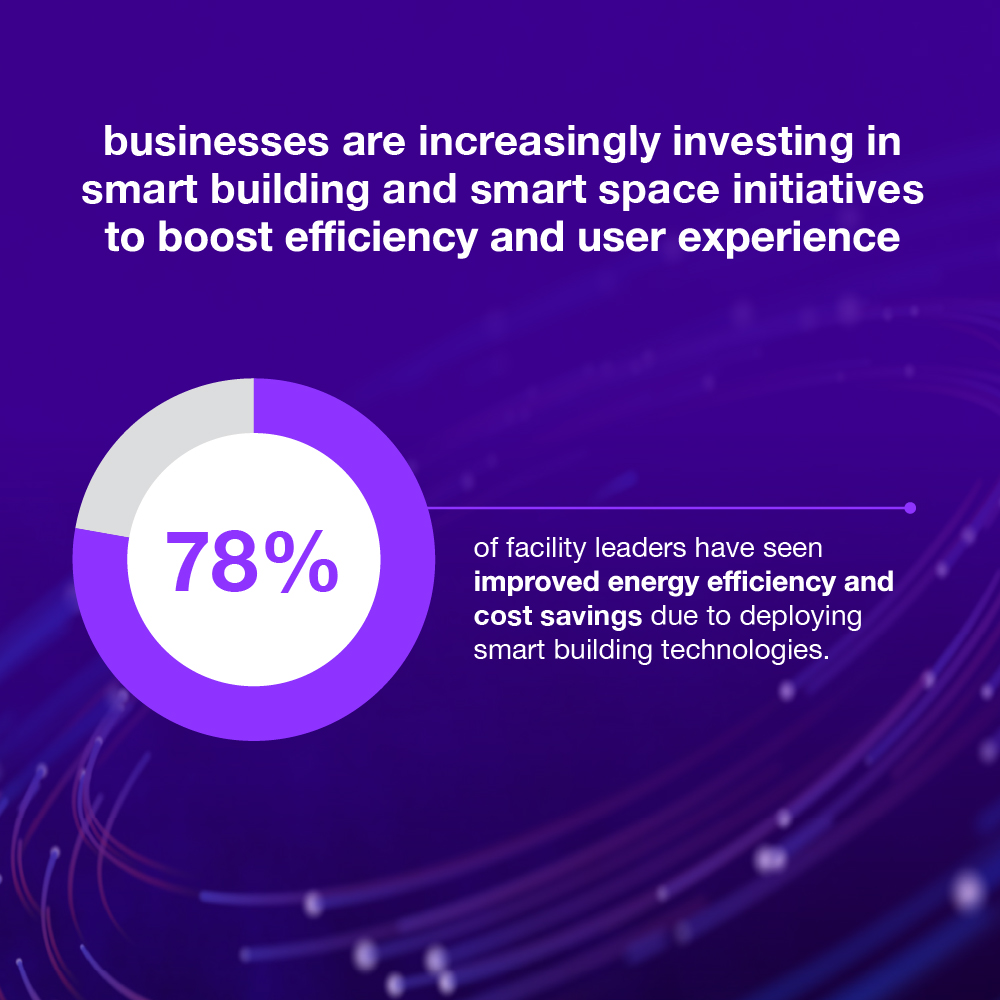
Businesses see clear ROI: a 2023 survey cited in the report found that 78% of facility leaders experienced improved energy efficiency and cost savings after implementing smart building tech*.

overcoming the integration puzzle
Despite the promise, building smart spaces isn’t plug-and-play. Organizations face a maze of challenges:
- Choosing the right edge device that balances compute power, size, and energy use
- Coordinating between multiple vendors: from camera suppliers to system integrators
- Navigating regulatory and cybersecurity concerns in public deployments
Yet the market is pushing forward. With the global smart space sector projected to triple in size by 2032*, the motivation to innovate through collaboration is only growing.
*https://facilitiesmanagementadvisor.com/building-controls/survey-finds-mass-adoption-of-smart-building-tech-gap-in-data-analytics/

cybersecurity and privacy at the core
- Compliance with RED-DA and international standards like ISA/IEC 62443 for industrial cybersecurity
- Certificate-based authentication, removing the need for password management
- The ability to locally anonymize personal data before storage and transmission
- Code and container signing, together with verification and enforcement
- Remote vulnerability updates at scale for the Operating System and customer applications
- Threat detection and alerting, along with device health metrics ensure business continuity.
- Secure interaction with NVIDIA Triton inference server including data-at-rest encryption with just-in-time model decryption.
people counting: turning presence into insight
-
Where people linger
- When peak activity occurs
- How movement correlates with sales, occupancy, or service delivery
future-proofing with open, scalable ecosystems
Eurotech’s commitment to open standards and modular architectures ensures smart space solutions can evolve over time. As a founding member of the Eclipse IoT Working group, we contribute to these open standards: helping you avoid vendor lock-in.
Our comprehensive software suite provides guided setup, continuous monitoring, secure updates, and threat detection, enabling organizations to scale their infrastructure securely and efficiently.
The vision is clear: flexible, vendor-neutral ecosystems that lower entry barriers and speed up innovation.
AI that thinks and acts locally
Edge AI is not just about decentralizing data processing. It’s about empowering environments to think locally – to sense, see, hear, and act without relying on distant clouds and expensive connectivity.
This shift is what’s enabling smart spaces to go from hype to reality. At Eurotech, we’re not just enabling this shift. We’re driving it.